PRESS RELEASE · Antwerp
Slow-cooked Flemish stew, delivered by drone
A Mechelen start-up flies a Belgian classic across the Port of Antwerp
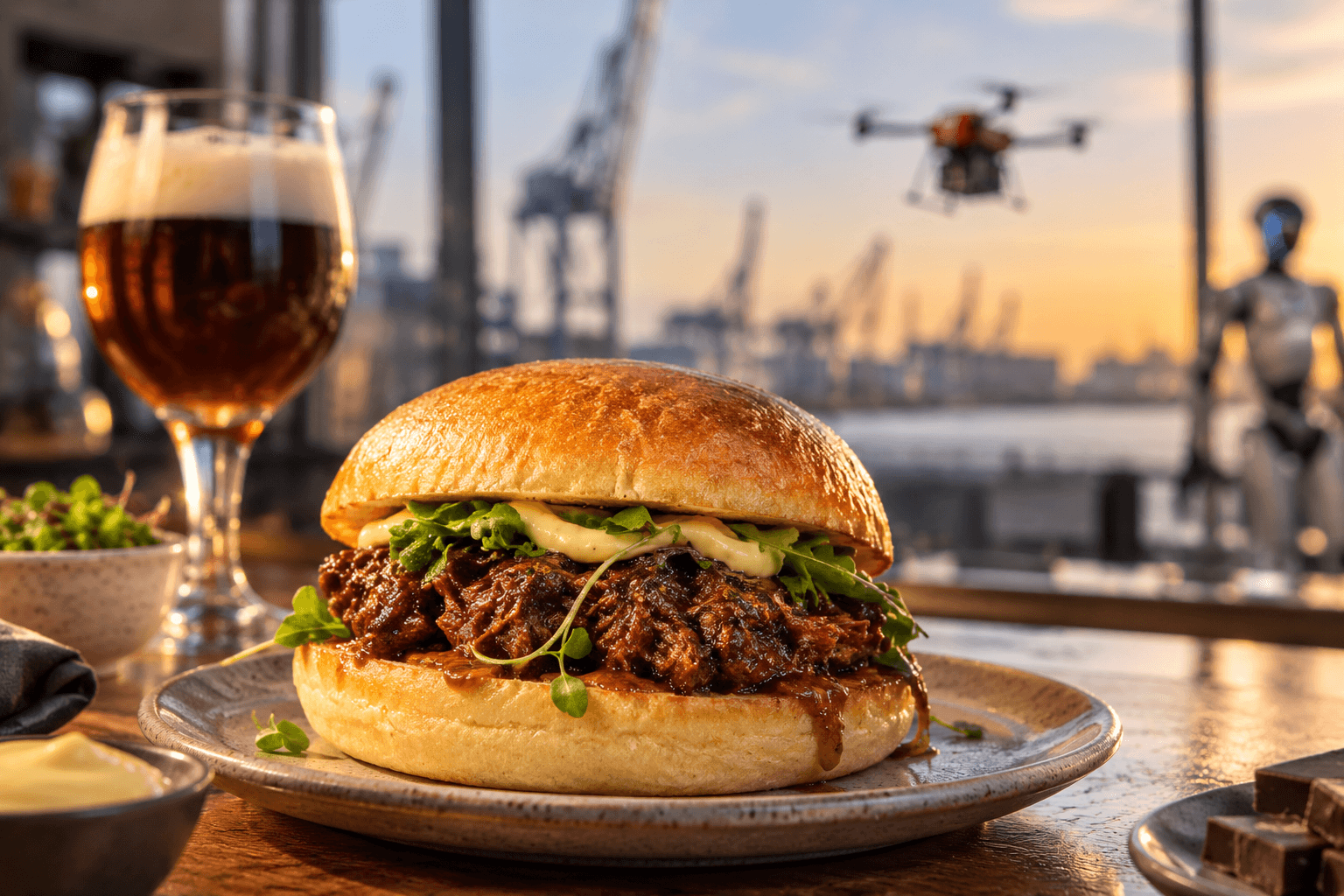
Grandma's stoofvlees, 36 hours in the making, delivered by air. On 16 September, Mechelen start-up STOOF·36 brings an unlikely mix of Belgian tradition and technology to the Port of Antwerp.
A Belgian stoofvlees burger flying across the Port of Antwerp by drone: that's the STOOF·36 showcase at The Gathering, the networking reception hosted by Antwerp Innovation Powerhouse (a joint initiative of Port of Antwerp-Bruges, the University of Antwerp, Voka and the City of Antwerp) at the Port Autonomous Summit of Port of Antwerp-Bruges. It sounds like a stunt, but the message behind it is simple: not everything needs to go faster. Planning, data and logistics can move as fast as technology allows. Meat, ingredients and flavour are where you take your time.
That's why STOOF·36 takes 36 hours to make its stoofvlees, the classic Flemish beef stew: twelve hours of slow cooking, until the meat falls apart on its own and the sauce works its way deep between the fibres, followed by 24 hours of resting so the flavours can fully develop. Familiar, yet surprisingly intense.
Founder Bram Van Genabet is a chemical engineer who spent years working on the digital transformation of food factories. STOOF·36 started in his own kitchen.
“Stoofvlees might just be the best thing Belgian cuisine has to offer. I didn't want to reinvent it. I wanted to make my grandmother's stoofvlees in a way you could serve anywhere. She always let it rest for a day too. We just put a number on it.”
Leffe, chocolate and the original Andalouse
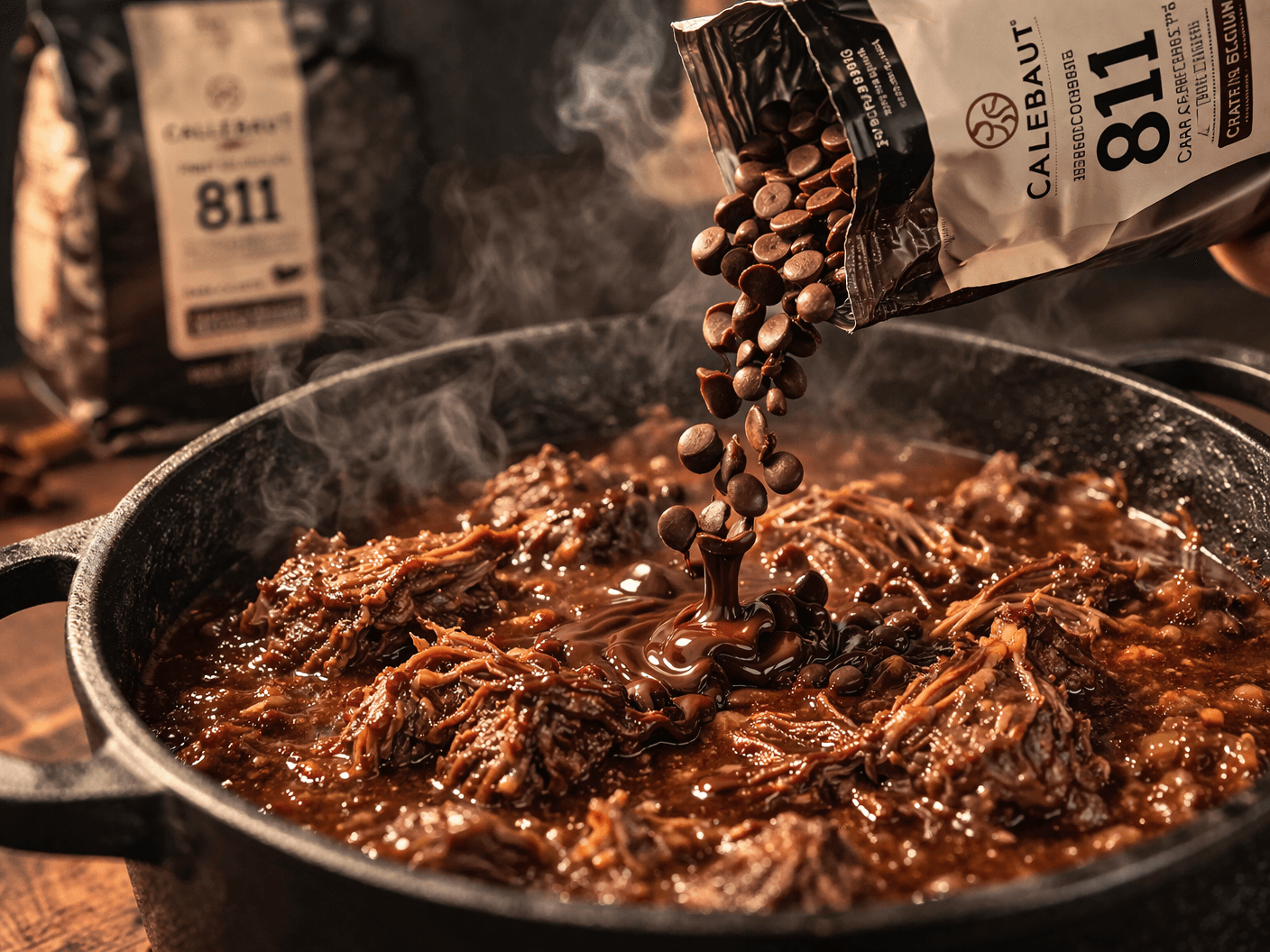
The ingredients are deliberately Belgian too: Belgian Blue beef, cooked in Leffe Brune with a subtle touch of Callebaut chocolate.
“Chocolate in a stew sounds odd, but it's an old kitchen trick. It balances the bitterness of the beer. You don't taste chocolate, you get a fuller sauce that clings beautifully to the meat.”
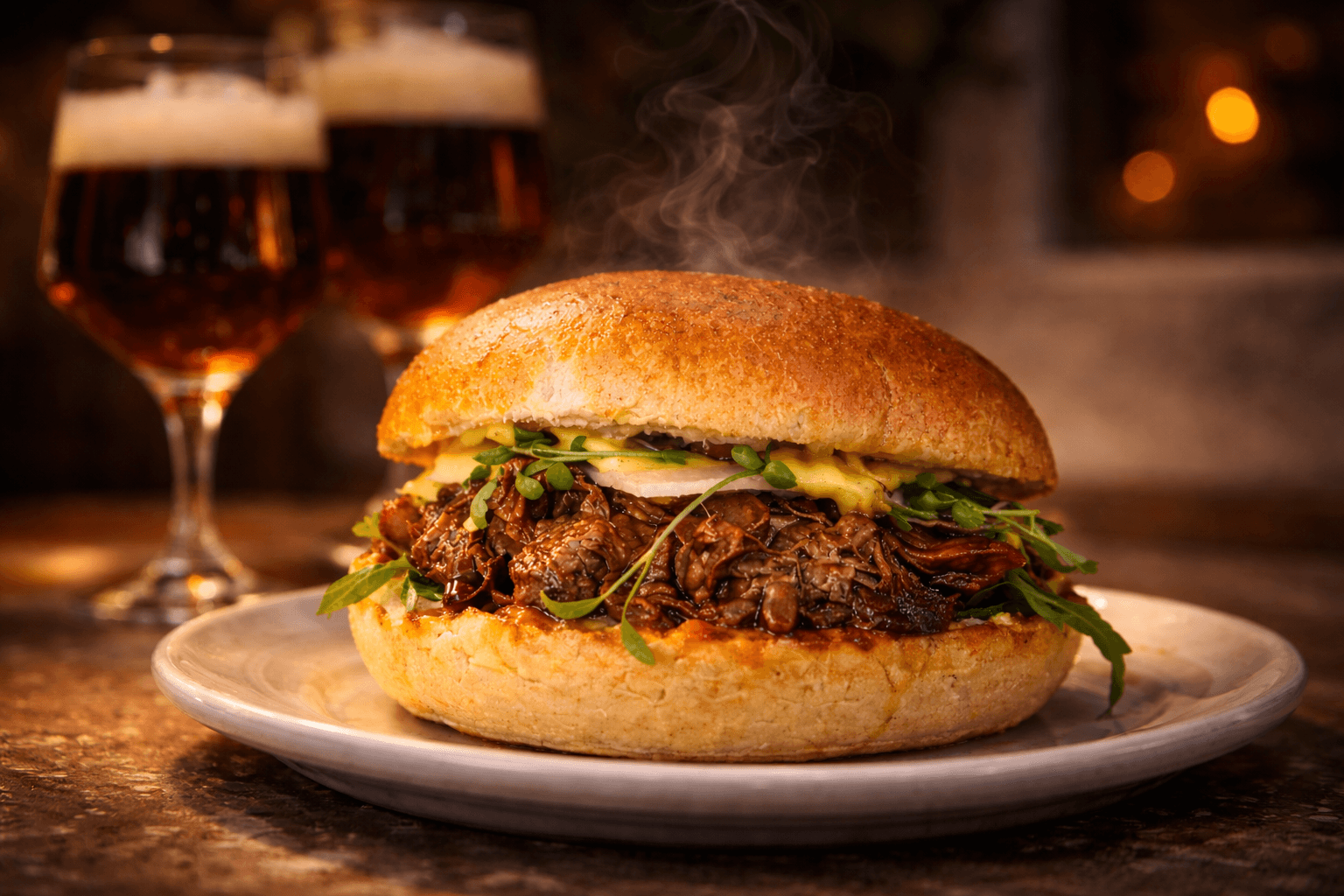
After 36 hours, the meat has the texture of pulled beef, with a sauce that clings to it. That lets a classic dish be served in new ways: in a brioche bun, on loaded fries or with nachos. Vacuum-packed, it reheats on site in a few minutes. “The slow work is already done,” says Van Genabet. “Slow-cooked, fast-served.”
For the event, the start-up teams up with Belgian partners. Fresh herbs and vegetables come from PLNT, an Antwerp start-up that farms vertically with little water and without conventional pesticides. Sea.Sense, an Antwerp food start-up, develops crunchy toppings made with European seaweed. The sauce comes from Anda, the Belgian family business behind the original Andalouse. It all comes together in a premium brioche bun, with The Catering Company handling preparation and service at the event.
A burger in the air
On 16 September, the experience starts before the burger even reaches the plate. The burgers are flown to the event venue in the port by ADLC, an Antwerp-based drone operator that already carries petrochemical samples for SGS across the Port of Antwerp every day.
“We usually carry samples, spare parts or medical packages. A stoofvlees burger is obviously a very different kind of shipment, but that's exactly what makes this job special, and fun. We want to show that as a logistics provider, we don't make distinctions based on the product. Our focus is on moving goods from A to B quickly, efficiently and safely, fully tailored to what the customer needs.”
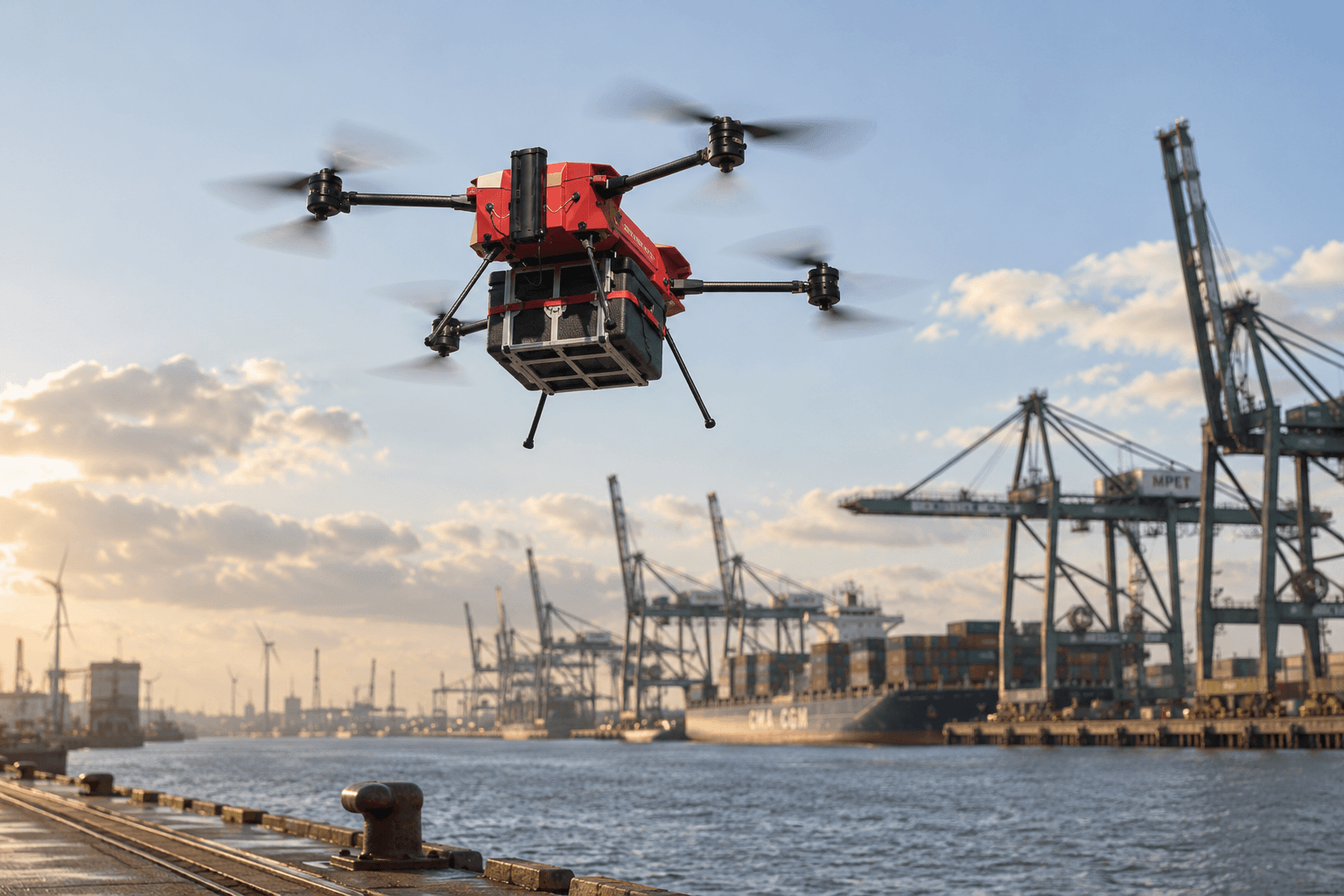
The demonstration is part of the Port Autonomous Summit, where Port of Antwerp-Bruges shows autonomous technology and new logistics applications in practice. “A port is the ideal environment for drones and autonomous systems to make a difference,” says Quintaes.
A humanoid robot builds the burger
In the run-up to the event, a second experiment took place. Together with Brussels robotics start-up Motion.one, STOOF·36 tested whether a humanoid robot could assemble a complete STOOF·36 burger. A Unitree G1 went through every step: opening the bun, sauce, meat, toppings. The robot itself isn't coming to Antwerp, but the footage of the test is.
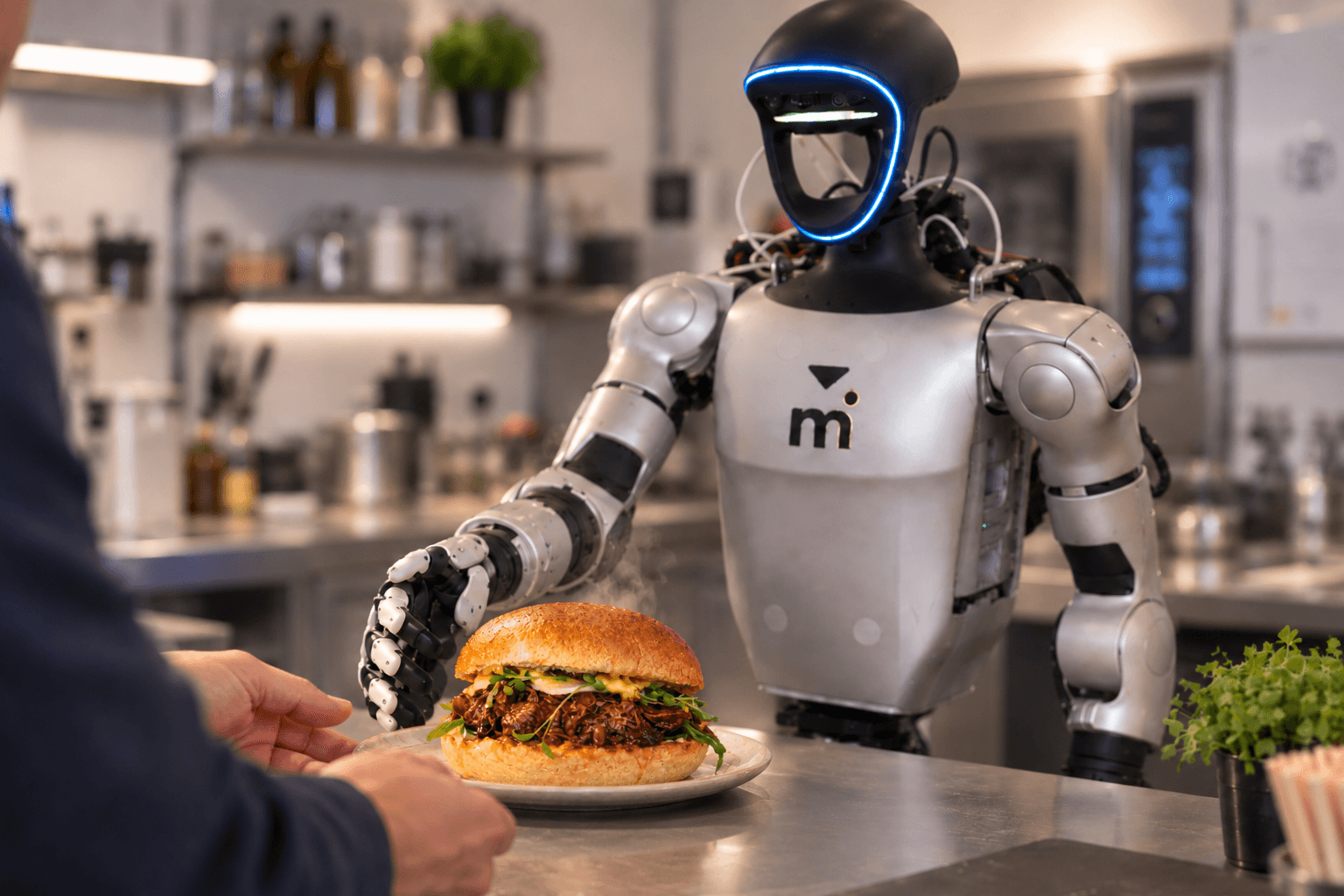
“A robot like that isn't ready for the kitchen yet. A human is still much faster and far more flexible. But the potential is there. And the question behind it is a serious one: which repetitive tasks could robots take over within a few years, so people have more time for hospitality, quality and flavour? That's exactly why it's worth experimenting now.”
Not everything needs to go faster
It's no coincidence that STOOF·36 pairs stoofvlees, of all things, with AI, drones and robotics. Van Genabet spent nearly ten years working on digitalisation in the food industry, watching technology once reserved for multinationals become more and more accessible.
“Today, a small business can use cloud technology and AI to build things that used to take an entire organisation. Behind the scenes, we run everything as smartly as we can: production, planning, data, marketing and logistics. Not because technology is the goal, but because it should give us time for what matters: making a really good product and getting it to people. And flying a burger across the port by drone is, of course, also just wonderfully absurd.”
“For the meat, we take all the time in the world. For everything else, it can go fast.”
Bram Van Genabet, founder of STOOF·36